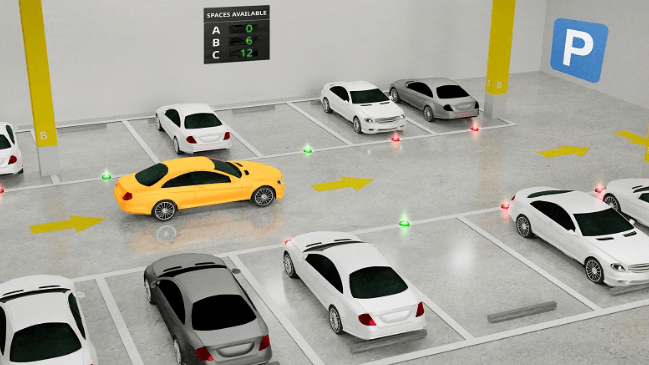

Smart parking systems integrate sensors, networks, and centralized analytics to locate available spaces in real time. Data-driven occupancy, digital maps, and interoperable models enable efficient routing and demand shaping. Pricing, payment, and policy signals influence utilization while preserving privacy through anonymization and access controls. Critical considerations include cost, data governance, cybersecurity, and cross-urban adaptability. The balance of these factors determines scalability and resilience as cities and businesses deploy diverse configurations, prompting questions that warrant careful examination.
What Are Smart Parking Systems and Why They Matter
Smart parking systems use sensors, communication networks, and centralized software to guide drivers to available spaces, reducing search time and congestion. They quantify impact through metrics such as occupancy rates, turnover, and peak-hour throughput.
Core components include parking infrastructure elements and interoperable data models, enabling data interoperability across vendors. This modular framework supports scalable deployment, flexible policy integration, and user-centric autonomy.
How Real-Time Parking Guidance Works
Real-time parking guidance systems integrate sensor data, communication networks, and centralized analytics to direct drivers to available spaces with minimal delay. The mechanism aggregates real time sensor deployment data, processes occupancy in near real-time, and updates digital maps for routing. Privacy considerations are integral, with anonymization, traffic pattern minimization, and strict access controls to protect user data while maintaining efficiency.
How Pricing, Payment, and Policy Shape Parking Demand
Pricing, payment mechanisms, and policy instruments significantly shape parking demand by altering the perceived cost of parking, access to spaces, and the constraints governing supply.
This analysis quantifies pricing dynamics, demand elasticity, and occupancy trends, while evaluating externalities from policy interventions.
Payment integration enables transparent, real-time pricing signals, improving efficiency and freedom for users navigating constrained urban environments without compromising system integrity.
Choosing the Right System for Your City or Business
Choosing the right parking system for a city or business requires a structured assessment of constraints, objectives, and operating context.
System selection hinges on data-driven criteria: urban incentives, data governance, parking pricing, and fleet responsiveness.
Evaluation quantifies interoperability, maintenance costs, scalability, and cybersecurity.
Decision-makers balance return on investment with operational freedom, ensuring adaptable deployment, clear governance, and measurable performance across diverse urban environments.
See also: keybreach
Frequently Asked Questions
How Secure Is Data From Smart Parking Sensors and Apps?
Secure data practices and sensor privacy drive security, though vulnerabilities persist if defenses lapse. The evaluation notes encryption, access controls, and anomaly detection as essential, while transparent data handling supports a freedom-oriented user trust framework.
Can Smart Parking Reduce Emissions Beyond Traffic Relief?
Yes, coincidentally, smart parking can reduce idle emissions and optimize trip routing. Data-driven analyses show modest, yet measurable, improvements beyond traffic relief, through frequent rerouting, shorter searches, and synchronized curb usage, aligning autonomy with urban air quality goals.
What Are the Costs of Maintenance and Upgrades?
Maintenance and upgrades incur ongoing costs: maintenance budgeting accounts for routine servicing, parts, and downtime, while upgrade lifecycle planning estimates hardware and software refresh intervals, integration costs, and capital expenditure, enabling proactive budgeting and transparent cost forecasting.
How Does Accessibility Compliance Integrate With Systems?
Accessibility compliance integrates through formal accessibility auditing and inclusive design practices, ensuring interfaces and workflows meet standards while preserving user freedom; data-driven evaluations quantify conformance, usability, and residual risk, guiding iterative improvements across hardware, software, and service layers.
Do Smart Systems Support Autonomous Vehicle Integration?
Autonomous integration is supported; sensor interoperability enables cross-communication among vehicle and infrastructure subsystems. Data-driven evaluation indicates scalable autonomy readiness, though standards alignment remains critical. Symbols aside, systems enable controlled experimentation for an audience pursuing freedom in mobility.
Conclusion
Smart parking systems stand at the vanguard of urban mobility, but their real superpower lies in data-driven orchestration. With real-time occupancy, interoperable data models, and adaptive pricing, cities can slash search times by orders of magnitude, cut congestion, and dramatically improve air quality. Cybersecurity, governance, and scalable architectures ensure resilience across vendors. In short, the marginal gains from precise occupancy signals compound into transformative traffic relief and revenue streams—an exponential impact relative to the investment.