How Recurring Payments Work

How Recurring Payments Work

Recurring payments hinge on formal payer consent that binds a schedule, amount, and cadence. Tokens replace sensitive data, while flow travels from merchant to processor, acquirer, and issuing bank, ending in settlement. Pricing—fixed, tiered, or usage-based—drives margins and cash flow,…

How Randomness Ensures Security

How Randomness Ensures Security

Randomness underpins security by transforming predictable processes into unpredictable ones, constraining an adversary’s foresight. It strengthens keys, nonces, and state transitions, making attacks computationally or statistically unlikely. Entropy sources vary—from quantum phenomena to hardware generators and pseudorandom constructs—each with distinct…

Smart Sensors in Manufacturing

Smart Sensors in Manufacturing

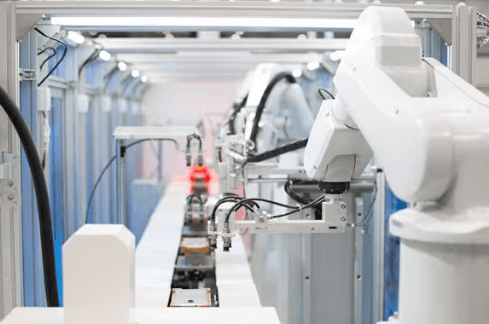
Smart sensors underpin modern manufacturing by delivering real-time data for condition monitoring, autonomous decisions, and digital twins. Selecting appropriate modalities, calibration discipline, and ruggedness versus accuracy drive uptime. Edge processing and energy harvesting extend coverage, while secure, standardized protocols enable…

Smart Retail Stores Explained

Smart Retail Stores Explained

Smart retail stores fuse physical locations with digital benchmarks to improve visibility into inventory, demand, and shopper behavior. Real-time tech enables precise shelf replenishment, dynamic staffing, and tighter loss prevention. Personalization scales through omnichannel signals while maintaining governance and ethics.…

Smart Parking Systems

Smart Parking Systems

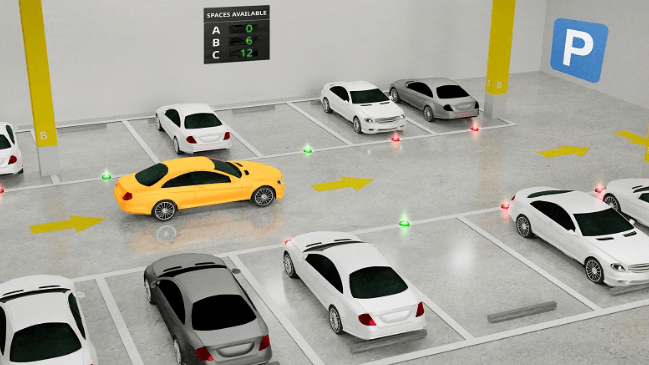
Smart parking systems integrate sensors, networks, and centralized analytics to locate available spaces in real time. Data-driven occupancy, digital maps, and interoperable models enable efficient routing and demand shaping. Pricing, payment, and policy signals influence utilization while preserving privacy through…