
Smart retail stores fuse physical locations with digital benchmarks to improve visibility into inventory, demand, and shopper behavior. Real-time tech enables precise shelf replenishment, dynamic staffing, and tighter loss prevention. Personalization scales through omnichannel signals while maintaining governance and ethics. Investment paths favor modular deployments, cost-benefit rigor, and clear exit criteria. The framework invites scrutiny of data flows, interoperability, and scalable infrastructure, leaving unsettled questions about future value and the pace of adoption.
What Are Smart Retail Stores? A Quick Foundational Overview
Smart retail stores are physically connected locations that leverage digital technologies to enhance shopper experiences and streamline operations.
The approach emphasizes interoperability, data-driven insights, and scalable infrastructure.
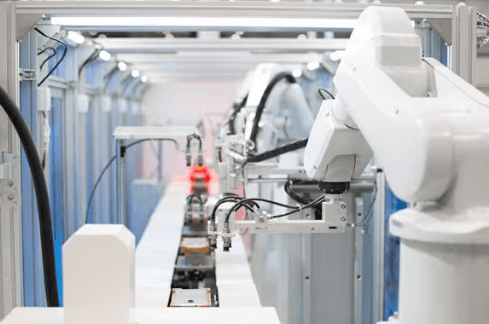
Smart logistics coordinates inventory, fulfillment, and flow across channels, reducing delays and errors.
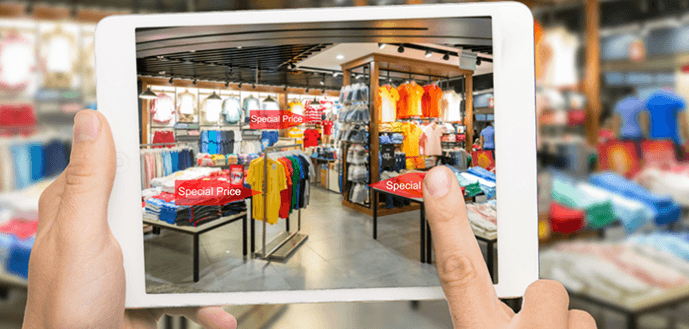
Visual merchandising leverages sensors and analytics to optimize presentation, assortment, and contrasts.
This framework supports autonomous decision-making and user-centric freedom within retail ecosystems.
How Real-Time Tech Transforms Store Operations
Real-time technology redefines store operations by delivering instantaneous visibility into inventory, demand, and customer behavior. This enables precise shelf replenishment, dynamic staffing, and loss prevention through continuous monitoring and alerts.
Data flows underpin decisions, while governance ensures compliance and trust. Store automation accelerates workflows, reduces friction, and clarifies accountability, inviting operators to optimize performance within transparent, future-ready, autonomous ecosystems.
Personalization at Scale: From Data to Customer Experience
Personalization at scale turns data into differentiated customer experiences by translating granular insights into precise interactions. Modern systems integrate omnichannel signals to choreograph timing, content, and offers at the individual level, while maintaining scalability. Data governance ensures quality and compliance, and ethical considerations guide transparent use of personal data, balancing innovation with trust. This approach anticipates autonomous, privacy-respecting customization across ecosystems.
Evaluating Investments: Benefits, Risks, and Implementation Pathways
Evaluating investments in smart retail technologies requires a disciplined assessment of expected benefits, associated risks, and feasible implementation pathways. The analysis contrasts investing vs. piloting, weighing scalable value against pilot constraints. A rigorous cost benefit analysis informs budgeting, timelines, and governance. Strategic choices emphasize modular deployments, measurable KPIs, and clear exit criteria, aligning innovation with sustainable, freedom‑driven retail outcomes.
See also: keybreach
Frequently Asked Questions
How Do Smart Stores Handle Privacy and Data Protection?
Privacy safeguards and robust data governance define smart stores, balancing consumer freedom with security; sensors and cameras minimize intrusive collection, while encryption, access controls, and transparent policies ensure compliant, auditable use of behavioral data for optimized experiences.
What Are the Cost Considerations for Small Retailers?
Cost considerations for small retailers include upfront hardware, software subscriptions, and ongoing maintenance, with scalable options and total cost of ownership metrics guiding budgets; data shows careful vendor selection and phased deployment deliver sustainable, freedom-enhancing competitiveness.
Which Roles Require New Skills and Training?
Roles require new skills and targeted training needs, aligning with workforce development trends. The analysis indicates roles requiring automation, data analytics, and customer experience enhancements will demand continuous upskilling to sustain a data-driven, freedom-preserving retail future.
How Is Shelf-Space Optimization Measured Over Time?
A metric is a compass: shelf-space optimization is tracked through time series measurement ideas, signaling trends. It emphasizes privacy and data protection while analysts monitor changes, preserving freedom as algorithms project future shelf layouts with data-driven, futuristic confidence.
What Are the Long-Term Maintenance and Upgrade Needs?
Long term maintenance requires proactive monitoring, scheduled parts replacement, and scalable infrastructure. Upgrade cycles should be planned around firmware, analytics, and edge-compute improvements, ensuring minimal downtime. Data-driven projections guide budgets, enabling a future-ready, autonomous retail environment with freedom.
Conclusion
Smart retail stores represent a data-driven convergence of physical space and digital insight. Real-time visibility into inventory, demand, and shopper behavior promises precise replenishment, dynamic staffing, and heightened loss prevention. Personalization scales through omnichannel signals, while governance and ethics guard privacy. Yet the theory—that pervasive connectivity alone guarantees superior outcomes—wavers against implementation complexity and cost. The truth lies in modular, cost-benefit guided deployments with clear exit criteria, balancing pilot insights with scalable value and sustainable, freedom-respecting outcomes.